
The Math: Granny Flat vs Rest Home Costs Over 5 Years
- freedomcabinsnz

- Apr 13
- 6 min read

Let's talk about the decision nobody wants to make: what to do when Mum or
Dad needs more support than living alone in their house can provide.
The "sensible" option everyone defaults to: rest home care. The option people rarely consider: a granny flat in the family backyard.
One costs you money. The other potentially makes you money.
Let's do the actual math based on real New Zealand costs in 2025.
The Rest Home Reality: What It Actually Costs
First, let's be clear about what we're comparing. There are different levels of care:
Rest Home Care (Low-Level Support)
Personal care, meals, activities, but no nursing. For people who need help with daily tasks but aren't medically complex.
Hospital-Level Care
24/7 nursing, medical management, dementia care. For higher-needs residents.
For this comparison, we're looking at rest home care - the level most families consider when parents are aging but not severely ill.
National Average Costs (2025)
Weekly rest home fees:
Auckland: $1,200 - $1,800 per week
Wellington: $1,100 - $1,600 per week
Christchurch: $900 - $1,400 per week
Regional areas: $850 - $1,200 per week
Let's use a middle estimate: $1,200 per week
That's $62,400 per year. Over 5 years: $312,000.
What's Included in That Cost?
Shared room (usually, private costs more)
Three meals per day
Personal care assistance (showering, dressing)
Activities and social programs
Laundry service
Basic medical oversight
What's NOT Included?
Extra medical costs (specialists, prescriptions beyond subsidized)
Personal items (toiletries, clothing, phone)
Hairdresser, podiatrist, other services
Extras like private room, better location, more staff attention
Add another $2,000-5,000 per year for these extras.
Realistic 5-year rest home cost: $320,000 - $350,000
The Granny Flat Alternative: Real Numbers

Now let's calculate the actual cost of building a granny flat and having Mum live there.
Upfront Costs
Quality granny flat (50-60m²):
Freedom Cabin (timber frame, fully self-contained): $85,000 - $110,000
Delivery and site placement: $3,000 - $8,000
Foundation/piles: $8,000 - $15,000
Utilities connection (power, water, waste): $5,000 - $12,000
Driveway/path/landscaping: $3,000 - $8,000
Total setup: $105,000 - $155,000
Let's use the middle: $130,000 upfront
Ongoing Annual Costs (5 Years)
Year 1-5 Operating Costs:
Rates contribution: $800/year
Insurance: $600/year
Maintenance fund: $1,200/year
Utilities (power, water): $1,800/year
Food for one person: $6,500/year
Personal care assistance (if needed, 10 hrs/week): $15,000/year
Annual cost: $26,000 (including part-time care) 5-year operating cost: $130,000
Total 5-year granny flat cost: $260,000
Side-by-Side Comparison
Option | Upfront Cost | Annual Cost | 5-Year Total |
Rest Home | $0 | $64,000 | $320,000 |
Granny Flat | $130,000 | $26,000 | $260,000 |
Difference: $60,000 saved over 5 years
But that's just the beginning of the real math.
The Hidden Financial Factors

Factor 1: Asset Value
Rest Home:
$320,000 spent = $0 remaining asset value
Money is gone forever
Granny Flat:
$260,000 spent, but you own a $130,000+ asset
Cabin adds value to property (typically $80,000-120,000 to property value)
Can be sold, rented, or used by other family members
Potential rental income: $400-550/week ($20,000-28,000/year)
Net position after 5 years:
Rest Home: -$320,000
Granny Flat: -$260,000 + $130,000 asset = -$130,000 effective cost
Real financial difference: $190,000 better off with granny flat
Factor 2: Inheritance and Estate Planning
Rest Home Path:
Parents often sell their house to fund rest home fees. That money disappears into care costs at $60,000+ per year.
Granny Flat Path:
Parents can keep their house, rent it out for income, or sell it to fund the granny flat build. Either way:
House value preserved or generating income
Granny flat added to family property value
Estate retains significantly more value
Example scenario:
Parent's house worth: $650,000
Rest home path: Sell house, spend $320,000 over 5 years = $330,000 left
Granny flat path: Rent house at $550/week = $143,000 income over 5 years + house still worth $650,000 = $793,000 total value
Difference to estate: $463,000
Factor 3: Quality of Life (Harder to Quantify But Real)


Rest Home:
Institutional environment
Shared facilities and space
Set meal times and routines
Limited autonomy and privacy
Distance from family (visiting requires travel)
Social isolation from family
Granny Flat:
Own home and independence
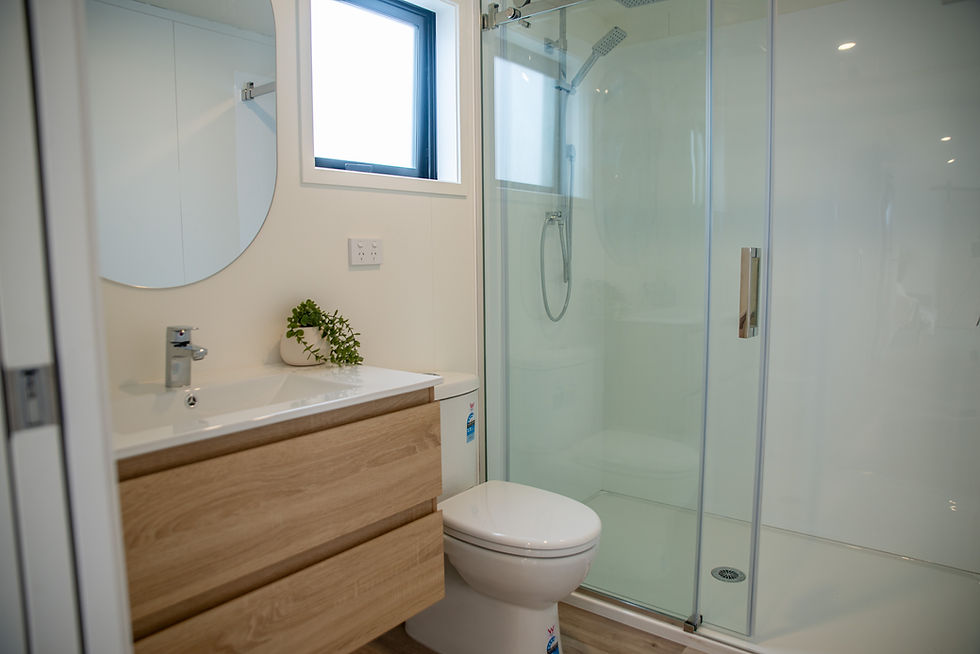
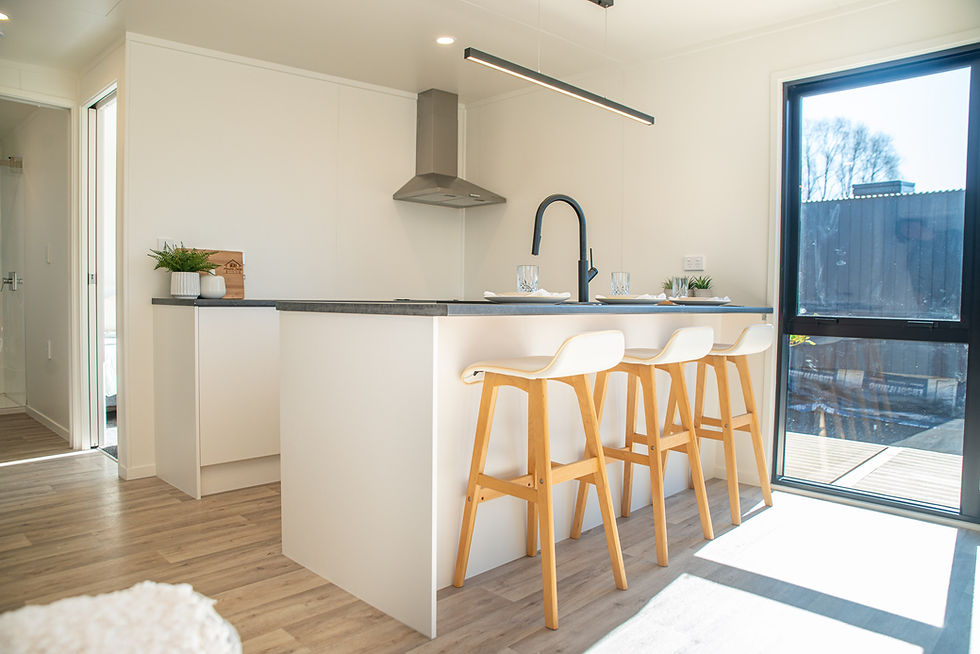
Private space with own kitchen, bathroom
Set own schedule and routines
Family nearby for daily interaction
Grandkids can visit easily
Community and social connections maintained
How much is that worth financially? Hard to say. But families consistently tell us the quality of life difference is massive.
Factor 4: Flexibility
Rest Home:
Once in, moving out is difficult
If care needs decrease, still paying full rate
No equity building
No options if rest home quality declines
Granny Flat:
If parent improves, can age in place
If situation changes, can rent it out
Asset can be sold or used for others
Gives family housing flexibility
The "But What About..." Scenarios

"What if Mum needs hospital-level care?"
Fair point. If care needs escalate beyond what family can provide at home, rest home/hospital becomes necessary.
But here's the thing:
Average time in rest home before needing hospital-level care: 3-5 years
Many people never need hospital-level care
You still have the granny flat as an asset if she moves to hospital care
The granny flat buys you those 3-5 years of independence while preserving assets. If hospital care becomes necessary later, you've still saved $60,000+ compared to going straight to rest home.
"What if we can't provide the care she needs?"
You don't have to do all the care yourself. Options include:
Home Care Services:
10 hours/week: $300/week ($15,000/year)
20 hours/week: $600/week ($30,000/year)
Still cheaper than rest home
Combine Care Sources:
Family provides companionship and basic help
Professional carers for personal care (showers, medication)
Still living in own space with dignity
"What about the emotional burden on family?"
This is real and valid. Caring for aging parents is exhausting.
But consider:
Rest home visits still require emotional energy
Seeing parents decline in institutional care is also hard
Many families report less guilt and more quality time with granny flat setup
You control the level of involvement (can hire more help if needed)
When Rest Home Actually Makes More Sense

The granny flat isn't always the right answer:
Choose a rest home if:
Parent needs 24/7 medical supervision
Dementia or wandering risks present
Family cannot commit to any caregiving (no judgment - it's valid)
No suitable section for a granny flat
Parent strongly prefers communal living
Family relationships are strained
Choose a granny flat if:
Parent is relatively independent but needs some support
Family willing to provide or coordinate care
Suitable property available
Parent values independence and family proximity
Preserving assets matters to the family
The Real-World Examples
Case 1: Auckland Family
Built a $135,000 granny flat for Mum
She lived there 7 years before needing hospital care
Saved $280,000 vs rest home costs
Rented cabin for $520/week after she moved ($27,000/year)
Granny flat fully paid for itself in rental income within 5 years

Case 2: Christchurch Family
Built a $95,000 granny flat for Dad
He lived there 4 years before passing
Saved approximately $160,000 vs rest home
Son's family now uses cabin as home office/guest space
Property value increased $85,000 with cabin addition
Case 3: Tauranga Family
Built $120,000 granny flat for Mum
She's been there 3 years (still going strong)
Has already saved $96,000 vs rest home
Mum contributes $250/week from her pension towards costs
Family describes quality of life as "incomparably better"
The Bottom Line: The Real Math
Financial comparison over 5 years:
Rest Home Total Cost: $320,000
No asset remaining
Money entirely spent on care
Potential house sale to fund ongoing costs
Granny Flat Total Cost: $260,000
Plus $130,000 asset value
Plus potential rental income ($100,000+ over 5 years if later rented)
Plus property value increase
Plus preserved family home
Net financial advantage: $190,000 - $250,000 better off with granny flat
And that's before considering:
Quality of life improvements
Family time and connection
Independence and dignity
Flexibility for changing circumstances
The Decision Framework
The granny flat isn't about being cheap. It's about getting better value for everyone.
If you're purely comparing costs, the granny flat wins by $60,000-190,000 over 5 years while preserving assets.
If you're comparing quality of life, most families say granny flat wins overwhelmingly.
If you're comparing flexibility and options, granny flat provides far more.
The only real advantage of rest homes is 24/7 professional care for high-needs situations - and even then, you can often bridge that gap with home care services in a granny flat.
Thinking about whether a granny flat makes financial sense for your family?
Let's talk through your specific situation - we can help you model the actual costs and benefits based on your circumstances.
Because the best financial decision isn't always the default option.
Related Reading:
How to Pay for Your Granny Flat: Financing Options
Home Care Services: What's Available and What It Costs
Real Stories: Families Who Chose Granny Flats Over Rest Homes
Disclaimer: Costs are based on 2025 NZ averages and will vary by region and individual circumstances. Consult with financial advisors and care professionals about your specific situation. Rest home costs include basic care only; additional medical and personal expenses not included in base rates.

Comments