
Do I Need Building Consent for a Granny Flat in 2026? (Complete Guide)
- Nelson Baguio
- Apr 24
- 8 min read


Confused about building consent for granny flats? Here's exactly when you do (and don't) need consent in New Zealand, plus how the 2026 changes affect you.
"Do I need building consent for this?"
It's the first question nearly everyone asks when they're thinking about a granny flat.
And honestly? Until recently, the answer was almost always "yes" – followed by a massive headache of paperwork, fees, and delays.
But 2026 changes the game. Here's exactly when you need consent, when you don't, and how to figure out which category your granny flat falls into.
The Short Answer (If You're in a Hurry)
From 2026
You DON'T need building consent if:
Your granny flat is 70m² or under
It's a minor dwelling on your residential property
You're not in a special zone (heritage, flood risk, etc.)
You DO need building consent if:
Your granny flat is over 70m²
It's in a special zone
You want to use it as your main dwelling
Your council has specific overlays or restrictions
Still with me? Good. Let's dig into the details because this stuff actually matters.
What Even IS Building Consent?
Let me back up for anyone who's new to this.
Building consent is basically council approval that your building plans meet the Building Code. It's the government's way of making sure buildings are safe, weathertight, and won't fall down.
The process usually looks like this:
Design your building (or buy plans)
Apply to council with detailed plans and specs
Wait 8-16 weeks (sometimes longer)
Pay fees ($2,000-$6,000+ depending on council and size)
Get consent (if they approve – sometimes they ask for changes)
Build your structure
Get inspections during construction
Get Code Compliance Certificate when it's done
It's a lot. And it's expensive. And it's slow.
Which is exactly why the 2026 exemptions are such a big deal.
The 2026 Game-Changer: 70m² Without Consent

The government looked at the housing crisis, looked at the bureaucracy around small buildings, and said "this is ridiculous."
So from 2026, if you're building a minor dwelling (granny flat, sleepout, tiny home) under 70m², you can skip the consent process in most cases.
What you still need:
A proper build that meets Building Code standards (even though you're not getting it officially signed off)
Compliance with district plan rules (setbacks from boundaries, height limits, etc.)
Any resource consent if your property requires it (different from building consent)
What you DON'T need:
❌ Building consent application
❌ $2,000-$6,000 in fees
❌ 8-16 weeks of waiting
❌ Council inspections
❌ Code Compliance Certificate
It's faster. It's cheaper. It's way less stressful.
The 70m² Magic Number: Is It Enough Space?
Here's the thing everyone asks: "Is 70 square metres actually big enough?"
Short answer: Yes. Absolutely.


70m² is about 7.5m x 9.5m. That's plenty of room for:
One-bedroom setup:
Bedroom (12-15m²)
Bathroom (4-6m²)
Kitchen (8-10m²)
Living area (25-30m²)
Storage/entry (6-8m²)
Two-bedroom setup (tight but doable):
Two bedrooms (10m² each)
Bathroom (4m²)
Kitchen (8m²)
Living area (20m²)
Entry/storage (8m²)
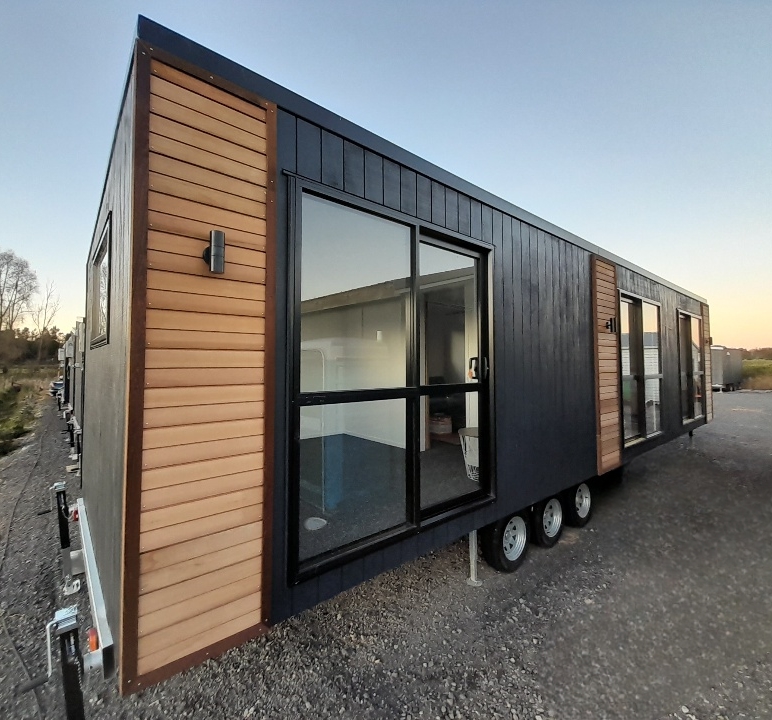
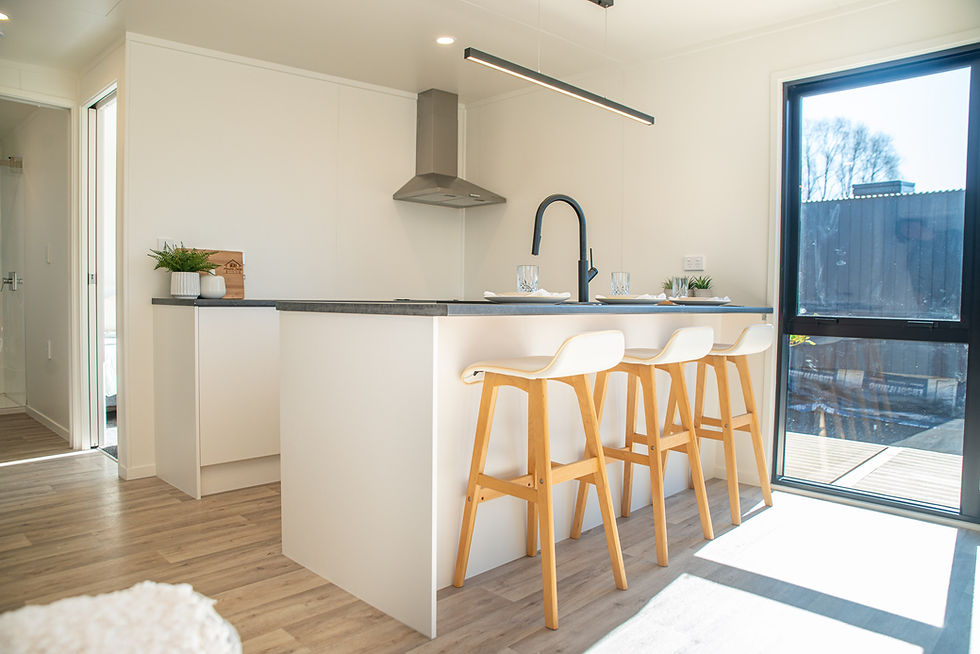
Our Classic 60m² model is our most popular granny flat. It's a one-bedroom with full kitchen, bathroom, and living space. Perfect for Mum or Dad, or a rental unit. And it's comfortably under the 70m² limit.
Our Executive 70m² sits right on the limit. Two bedrooms, premium finishes. It's a proper home, not a shoebox.
When You DO Still Need Consent (The Exceptions)
Alright, now for the fine print. Because there are situations where you still need to go through the consent process:
1. Over 70m²
If you want something bigger, you're back to needing consent. Simple as that.
2. Special zones
Heritage overlays, flood zones, coastal areas, geothermal zones – these often have extra restrictions. Check your council's district plan or give them a call.
3. Main dwelling vs minor dwelling
The exemption is for minor dwellings (granny flats). If you're building what will be your main house, even if it's under 70m², you need consent.
4. Non-residential property
This is for residential zones. If you're on lifestyle block with rural zoning, different rules might apply.
5. Specific council restrictions
Some councils have additional overlays. Auckland's Special Character Areas, for example, might have extra hoops to jump through.
6. Multi-unit developments
If you're a developer trying to build multiple units under this exemption, councils have thought of that. One minor dwelling per property is generally the rule.
Resource Consent vs Building Consent (They're Different)


This trips people up all the time, so let me clear it up:
Building Consent = Is the structure safe and built to code?
Resource Consent = Does the land use comply with zoning rules?
The 2026 changes affect building consent. You might still need resource consent depending on:
How close your granny flat is to boundaries (setback rules)
How tall it is (height restrictions)
What you're using it for (short-term rental vs long-term)
Site coverage (how much of your section is covered by buildings)
Most residential properties won't need resource consent for a standard granny flat, but it's worth checking with your council.
We've navigated this stuff for 200+ builds. We can help you figure out what applies to your property.
Regional Differences: Not All Councils Are the Same
Here's where it gets a bit messy. District plan rules vary by council.
Auckland Council:
Generally allows one minor dwelling per property. Setback rules apply (usually 1-3 metres from boundaries).
Some Special Character Areas have restrictions.
Western Bay of Plenty (our backyard):
Already allows tiny homes without consent in many situations. The 2026 changes just make it official and expand it.
Wellington City:
Tight sections mean boundary setbacks matter more. But the exemption still applies if you've got the space.
Christchurch:
Similar rules, but earthquake strengthening requirements might come into play for foundations.
Hamilton:
Pretty straightforward. Standard setbacks and height limits.
The best advice? Call your council. Ask: "I want to put a 60m² granny flat on my property at [your address]. Do I need resource consent?"
They'll tell you straight up. It's free information.
What About Quality? Can I Still Build to Code Without Consent?
Yes. Absolutely.
This is critical: The exemption from consent doesn't mean you can build a shitty cabin.
The Building Code still exists. Your granny flat should still:
✅ Be structurally sound
✅ Be weathertight
✅ Have proper insulation
✅ Meet fire safety standards
✅ Have adequate ventilation
✅ Be built to last
At Freedom Cabins, every single build meets Licensed Building Practitioner (LBP) standards. Consent or no consent.
Why? Because we're not cowboys. Drew's an engineer. He knows what a proper build looks like. We've been doing this since 2019, and we'll be doing it for decades more.
Our reputation matters more than saving a few bucks on materials. So yes – you can (and should) build to code even without formal consent. You just don't have to prove it to a council inspector anymore.
The Consent-Free Process with Freedom Cabins

Here's how it works when you don't need consent:
Step 1: You call us
We talk through what you want, what your property looks like, and what you're planning to use it for.
Step 2: We design your cabin
Drew handles the engineering. We make sure it fits your needs and your budget.
Step 3: We build it
In our Tauranga facility. Timber frame. LBP standards. Quality materials.
Step 4: We deliver it
Nationwide delivery from Northland to Southland. We've done it 200+ times.
Step 5: We install it
Onto prepared foundations (you can DIY this or hire it out). Connect power, water, waste.
Step 6: You move in
Total timeline: 8-18 weeks from order to installation.
No consent fees. No council delays. Just a proper, quality-built granny flat.
What If I Want to Sell My House Later?
Good question. If your granny flat was built without consent, what happens when you sell?
The honest answer: It depends.
If it's under 70m² and was legally exempt at the time you built it, most buyers won't care. It's a feature, not a bug. Extra income potential or space for family.
If it's over 70m² and you never got consent... that's trickier. Future buyers might struggle to get insurance or financing for your property.
Our advice: Stick within the 70m² exemption. Build it right. Build it to code. Then you've got nothing to worry about.
If you're planning something bigger, just get the consent. It's a pain, but it's worth it for resale.
The Western Bay of Plenty Advantage (Our Backyard)
Quick shout-out to our local market: If you're in Western Bay of Plenty, you're already ahead of the game.
WBOP already allows tiny homes without consent in many situations. The 2026 changes just expand and clarify the rules nationally. We're based in Tauranga. We know the local council. We know the rules. We've done dozens of builds here.
If you're local, you're getting the benefit of our home-field advantage. We can often get your cabin delivered and installed faster because we're right here.
Plus, you can come see our workshop, see builds in progress, and meet the team.
That's a level of transparency you don't get with some of the big national operators.
Do I Need an Architect or Designer?

For a consent-exempt build? Usually not.
We handle the design as part of our process. Drew's got the engineering background. We know what works, what doesn't, and how to make a 60m² or 70m² space actually livable.
If you want something custom or unusual, we can work with you on that. But most people pick one of our existing models (Classic, Studio, Executive) and maybe customize the interior layout a bit.
We keep it simple. We keep it affordable. And we make sure it works.
Council Inspections: Do I Still Need Them?
Nope. That's the whole point of the exemption.
You don't need council inspections during construction. You don't need a Code Compliance Certificate at the end.
You're building at your own risk, essentially. Which is fine if you're building properly.
At Freedom Cabins, we do our own quality control. Drew checks every stage. We don't skip steps just because a council inspector isn't watching. But legally? No inspections required for consent-exempt builds.
What If My Property Is a Bit Weird?
Sloping section? Weird shape? Narrow access? Close to a stream?
These things might complicate resource consent, even if you don't need building consent.
Best bet: Call us. We've dealt with all sorts of properties. Steep sites in Wellington. Tight urban sections in Auckland. Rural lifestyle blocks. Coastal properties.
We can usually figure out a solution. And if we can't, we'll tell you straight up rather than waste your time.
The Bottom Line: Do You Need Consent?

Here's your decision tree:
Is your granny flat 70m² or under?
→ Yes: Probably no building consent needed (check special zones)
→ No: You need building consent
Are you in a heritage/flood/special zone?
→ Yes: Check with council, might need consent
→ No: You're good
Is this a minor dwelling (not your main house)?
→ Yes: Exemption applies
→ No: You need consent
Do you need resource consent for land use?
→ Call your council to check setbacks, height, coverage rules
Still confused? That's fine. This stuff is confusing.
Call us: 027 711 8710
Email us: info@freedomcabinsnz.com
Book a free consultation: Click Here
We'll help you figure it out. We've done this 200+ times. We know the questions to ask and the answers to give.
Ready to Skip the Consent Hassle?
If you've been putting off building a granny flat because the consent process felt too hard, too expensive, or too slow – 2026 changes everything.
Save the fees. Save the time. Build a quality cabin that meets code anyway.
That's the Freedom Cabins way.

Comments